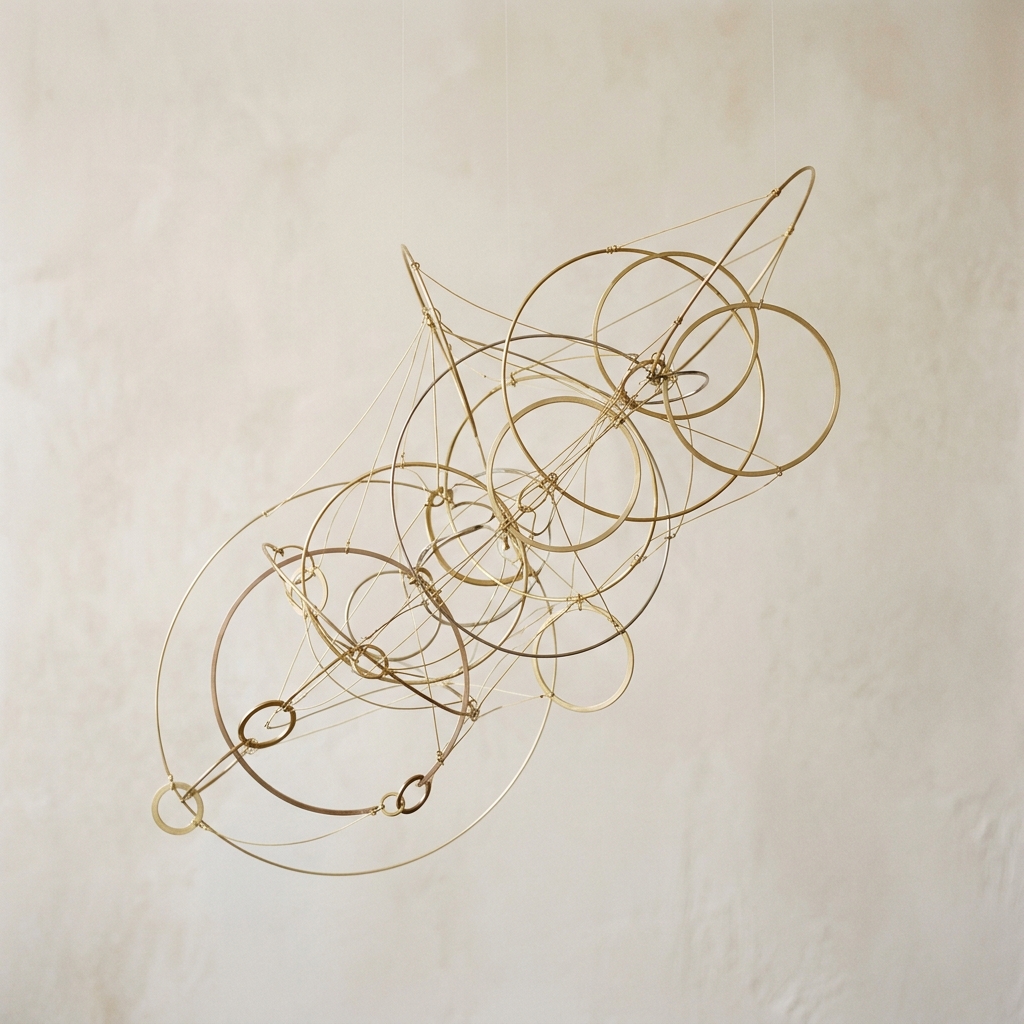
What Is a Life Operating System?
8 min Read
An operating system for your life coordinates everything — emotions, reflection, habits, focus, and execution — so they work together rather than against each other.
Your phone has an operating system that coordinates everything running on it — memory, processing, applications, input, output — so they work together rather than independently. Without it, you'd have a collection of hardware and software that couldn't communicate.
Most people live without the equivalent for their lives.
Why This Happens
Modern life gives us an extraordinary number of tools for specific functions — apps for tasks, apps for habits, apps for notes, apps for journaling — but no coordinating layer. We track our tasks without understanding why we keep abandoning them. We journal without connecting our reflections to our behavior. We set goals without addressing the emotional states that determine whether we pursue them.
The result is fragmentation. Effort without integration. A life that feels busier than it is productive.
What Research Suggests
Systems thinking in psychology emphasizes that behavior doesn't occur in isolation — it emerges from the interaction of multiple systems: emotional, cognitive, behavioral, environmental. Effective change requires working with these systems together, not in parallel silos.
Research on self-regulation consistently shows that emotional states are the upstream variable — they influence attention, motivation, decision-making, and behavior. Any system that manages behavior without addressing emotion is managing the output while ignoring the input.
Apply It
Map your current systems. Where do your emotions live? Where do your intentions live? Where do your actions live? Then ask: are these systems connected? Does what you feel inform how you plan? Does how you plan reflect who you want to become? The gaps between these answers reveal what your life operating system is missing.
Reflection
If your life were an operating system, what would the crash logs reveal?
"The gap between intention and action is where most of life is lost. Closing that gap isn't about working harder; it's about thinking clearer."